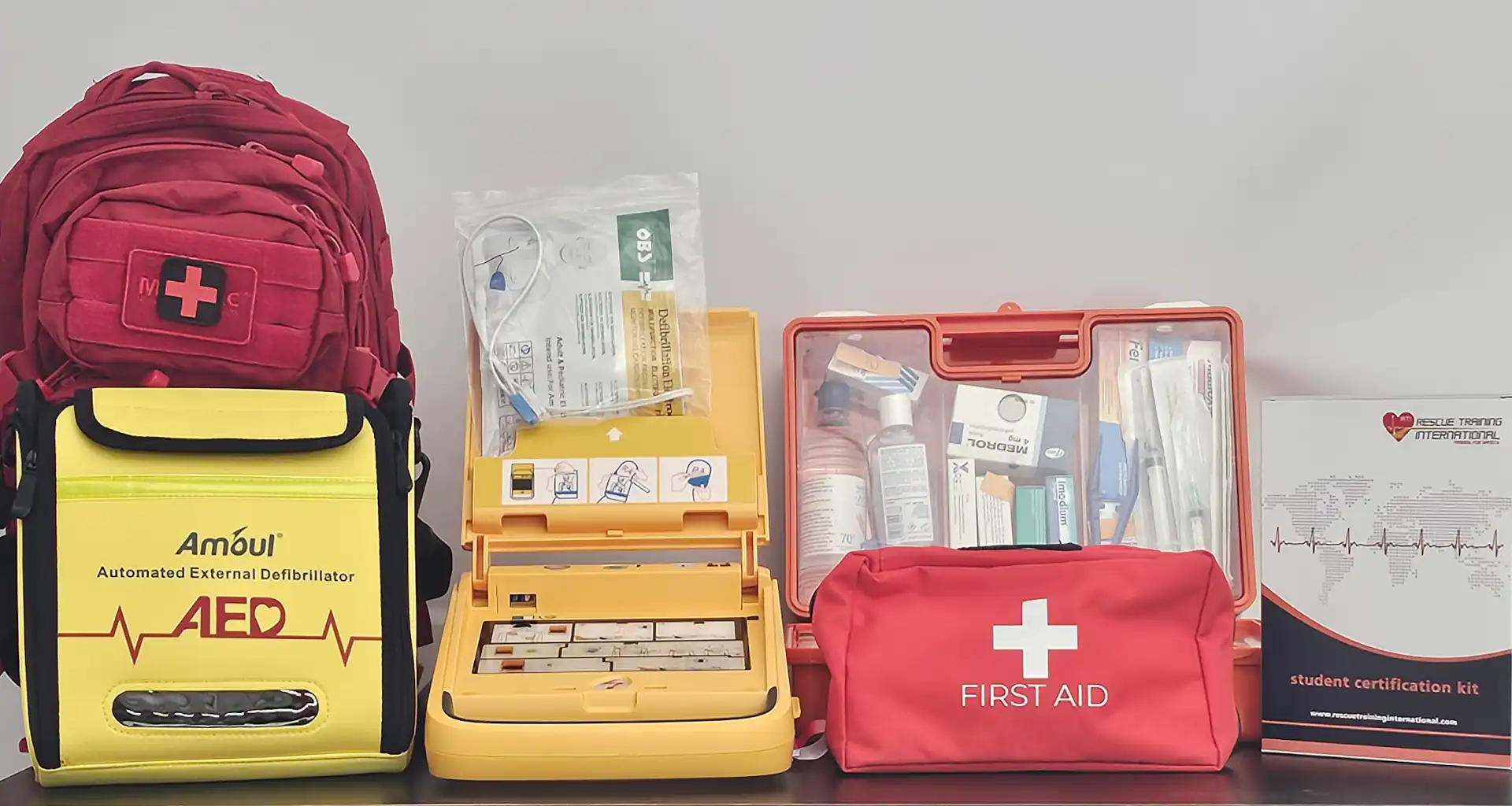
Protergon, faithful to its commitment to promoting Health and Safety at work, announces the upgrade of preventive measures at its facilities.
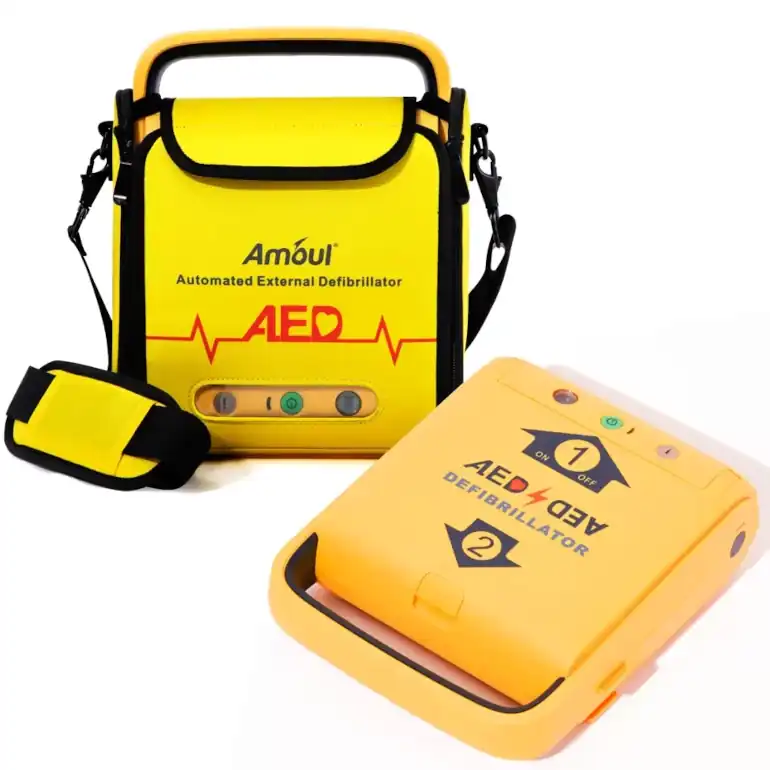
Recognizing sudden cardiac arrest as an unpredictable risk, the company has procured a portable Automated External Defibrillator (AED). This move is part of Protergon’s Corporate Social Responsibility (CSR) strategy, which aims to create a safe working environment.
Beyond the Law
Protergon did not limit itself to mere compliance. Going beyond the current legislative framework (Law 5239/2025, Article 39) and with a sense of responsibility towards human life (Penal Code, Article 307), it offered certified training in the use of defibrillators to all its employees and not just to a selected safety team.
With this initiative, Protergon demonstrates in practice that its most valuable asset is its people.
Why an AED is essential
Every minute without defibrillation reduces the chance of survival by 7–10%.
With a defibrillator used within the first 3–5 minutes, survival can reach up to 70–75%.
Frequently Asked Questions about AED in the Workplace (FAQ)
Is a defibrillator mandatory in the workplace?
Currently, in Greece, it is not mandatory for all businesses. However, it is strongly recommended by health and safety authorities and is good practice for companies that want to protect employees and visitors. In large spaces, factories, and businesses with high visitor traffic, it is now considered essential.
Who can use a defibrillator in the workplace?
Modern automated external defibrillators are designed to be used by anyone, even without medical knowledge. They provide voice instructions and guide the user step-by-step until medical assistance arrives.
Where should the defibrillator be located in a business?
The defibrillator should be located in a visible, central, and easily accessible place, such as:
- near the entrance or reception
- in a common corridor
- in an area with a large concentration of staff
The goal is to be able to use it in less than 2 minutes.
Is staff training required for a defibrillator use?
A defibrillator use does not necessarily require training, but training in CPR and defibrillator use significantly increases effectiveness and reduces response time. Companies that invest in training create a culture of prevention and safety.
How often does a defibrillator need maintenance?
A defibrillator requires minimal maintenance, which includes:
- functionality check
- replacement of electrodes every 2–5 years (depending on the model)
- battery replacement according to the manufacturer’s instructions